



Our Story
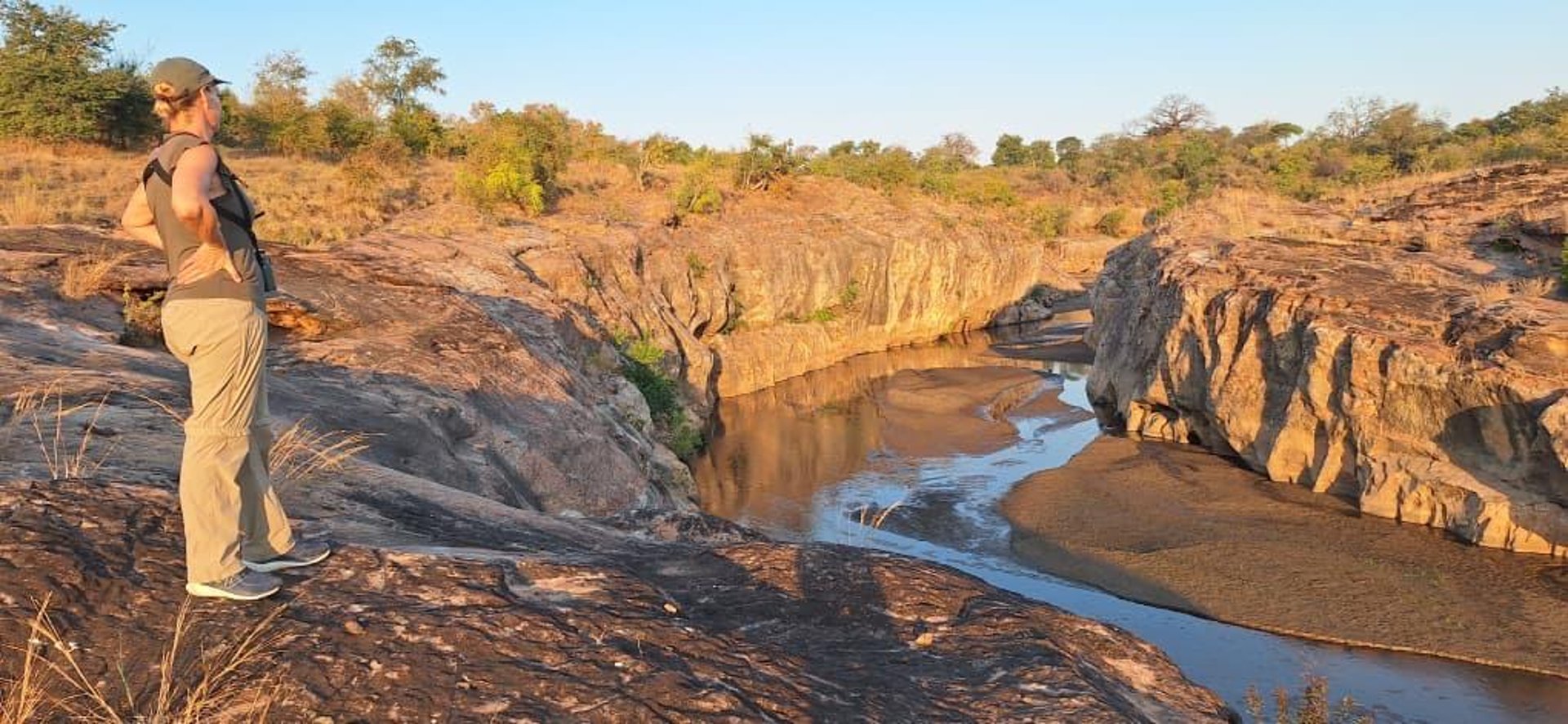
Ntumbe is situated at the heart of a UNESCO World Heritage Site within the dramatic and wildlife-abundant Zambezi Valley, adjacent to the renowned Mana Pools National Park. As one of Zimbabwe’s most remote and rugged protected regions, its best-known feature is a unique and remarkably well-preserved series of dinosaur trackways.
Historically managed as a trophy hunting concession, Ntumbe—formerly known as Chewore South—is being transformed through a long-term partnership between the Chewore Conservation Trust (CCT) and the Zimbabwe Parks and Wildlife Management Authority (ZimParks). This collaboration creates a rare opportunity to test emerging nature finance tools in a biodiverse, politically supported, and logistically viable setting, making Ntumbe a living laboratory for scalable, ground-tested conservation solutions.
Our first non-hunting commercial safari was hosted in Chewore South in 2026, marking a major milestone in Ntumbe’s transition away from a model funded by trophy hunting toward a conservation model sustained by low-impact tourism and other innovative funding mechanisms.
Ntumbe has entered a new era where biodiversity conservation, community development, and eco-tourism take center stage.

Biodiversity Conservation
While Ntumbe is already internationally recognized for its exceptional biodiversity and ecological importance, the project is now advancing the region's profile as a living laboratory for nature finance solutions. Here, new models are being tested and scaled to protect the wilderness, restore biodiversity, strengthen communities, and inform policy.
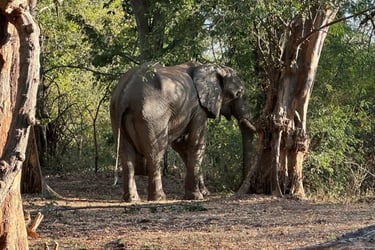
Once the last stronghold for the black rhino in the Zambezi Valley, Ntumbe remains home to large populations of elephants, lions, leopards, wild dogs, sable, and rare roan antelope - estimated at just 55 individual animals left in the lower Zambezi area.
Key Ecological Significance
Home to the Zambezi Valley's last viable roan antelope population (estimated at 55 individuals left in the wild).
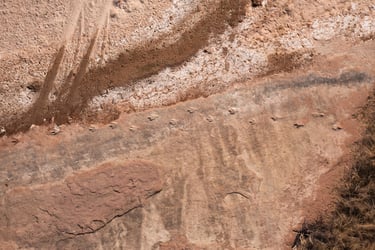
Fossilized dinosaur footprints preserved for over 160 million years.
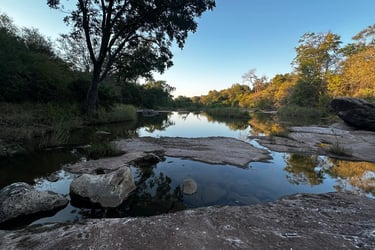
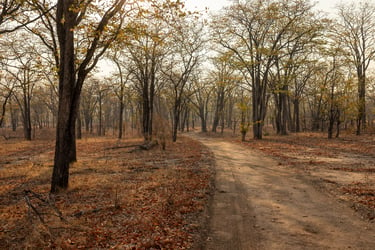
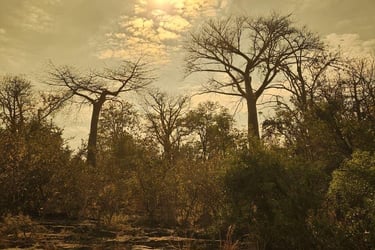
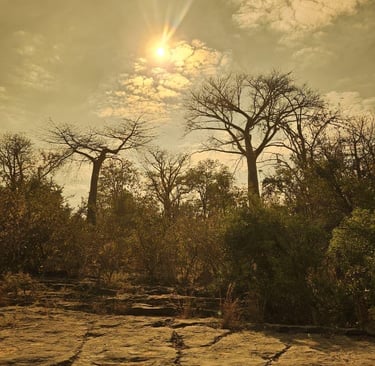
Rich woodland and riverine ecosystems supporting a wide range of fauna and flora.
A long-term ambition to reintroduce the black rhino, which has been absent since 1994.


Community Development
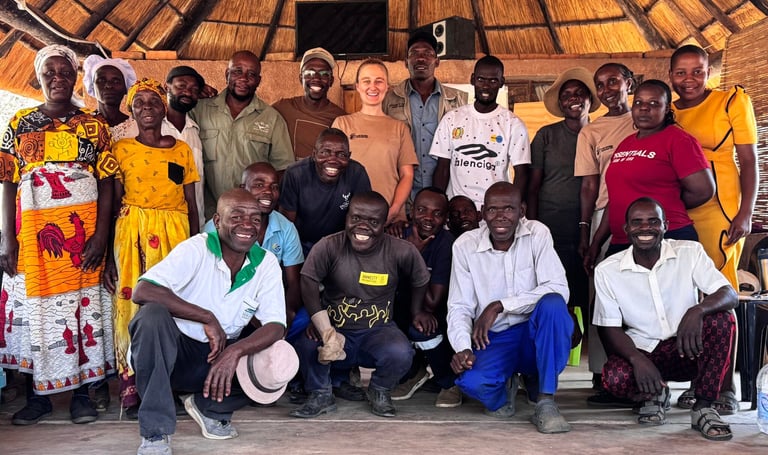
We recognize local communities as essential stewards of the landscapes they call home. Through blended finance models—combining nature finance and philanthropy—we support initiatives that strengthen community resilience and well-being, including:
Safe water access.
Human–wildlife conflict mitigation.
Inclusion in nature finance programs and benefit-sharing.
Direct involvement in aspects of Ntumbe Park management, security, and eco-tourism.
Conservation Trust Funding and Tourism
Ntumbe is currently funded through philanthropy and in-kind support from individuals, foundations, companies, and mission-aligned organizations.
As a non-profit organization, the Chewore Conservation Trust, which is in the African Parks 'Incubation Program', is focused purely on supporting the long-term protection of the critical ecosystems at Ntumbe and helping to shape a new model for conservation. This is achieved through our long-term partnerships on the ground with ZimParks and African Parks.
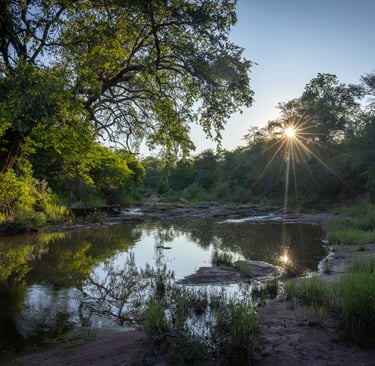
In 2026, Ntumbe opened its gates to eco-tourists and visitors. Our guests can choose between the campsite near Mkanga or the newly refurbished Chenje Camp, which overlooks the Chenje River. Chenje is just a short drive from the world-famous fossilized dinosaur footprints. All proceeds from tourism go directly back into Ntumbe to protect and preserve this remarkable wilderness.
PARTNERS AND KEY FUNDERS
The Chewore Conservation Trust is a Zimbabwean non-profit organization established by the AWE for Nature Foundation to manage the 200,000-hectare Ntumbe wilderness (formerly the Chewore South Safari Area), which is part of a UNESCO World Heritage Site. Operating under a 25-year lease, its primary mandate is to protect and rehabilitate the ecosystem while transitioning the area from trophy hunting to a sustainable, eco-tourism and conservation-focused economy. Key activities of the Trust include supporting anti-poaching initiatives, curbing illegal mining, restoring infrastructure, monitoring biodiversity, and planning for the reintroduction of the black rhino. CCT also works closely with local communities to reduce human–wildlife conflict, improve local livelihoods, and advance high-integrity nature finance tools like biodiversity credits.
Zimbabwe Parks & Wildlife Management Authority
Chewore Conservation Trust (CCT)
The Zimbabwe Parks and Wildlife Management Authority is responsible for the protection, conservation, and sustainable management of Zimbabwe’s wildlife and natural resources. Established under the Parks and Wildlife Act, its primary remit includes controlling, managing, and maintaining national parks, botanical gardens, sanctuaries, and safari areas. ZimParks enforces anti-poaching measures, protects endangered species, and manages human–wildlife conflicts. Beyond conservation, it facilitates eco-tourism—including camping and game viewing—while actively engaging local communities in sustainable resource utilization.
African Parks
African Parks is a non-profit conservation organization founded in 2000 that takes direct, long-term responsibility for the rehabilitation and management of national parks and protected areas across Africa. Operating through public–private partnerships with governments, the organization implements a "business approach to conservation," focusing on securing landscapes, enforcing the law, and restoring biodiversity. Their mandate includes managing over 20 million hectares across more than 12 countries, protecting endangered species, and fostering community development to ensure ecological and financial sustainability. They aim to secure vast ecosystems, providing safety and essential services for both wildlife and local communities. Ntumbe, formerly Chewore South, is proud to be part of the African Parks Incubator Programme.
AWE for Nature Foundation
The AWE for Nature Foundation is a Geneva-based non-profit organisation pioneering high-integrity conservation finance in Africa's large wilderness areas. Its role involves bridging the biodiversity funding gap by turning innovative tools, such as biodiversity credits, into practical, scalable on-the-ground action. Its remit includes long-term, collaborative management—beginning with a 25-year commitment to Ntumbe—protecting natural ecosystems while securing local livelihoods and community resilience. AWE aims to build a sustainable "nature economy" where protected areas generate value, aligning environmental protection with economic development.

Support our Ntumbe Project Partners




CLICK ON THE LINKS BELOW:
Visiting Ntumbe is one of the best ways to support local communities, advance wildlife conservation, and ensure the long-term protection and preservation of one of Africa’s last true wilderness areas. Use the link below to plan your visit to Ntumbe.
Phone/WHATSAPP
+263 78 844 4425
© 2026. All rights reserved.


Contact Ntumbe Today


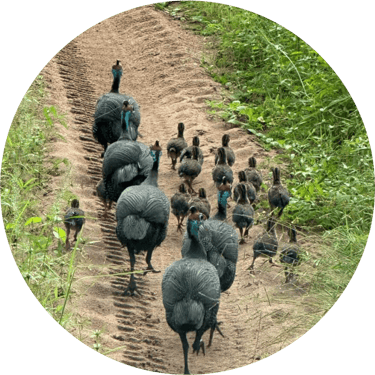
With 400 km of rugged bush tracks to explore, Ntumbe provides unparalleled access to adventure in one of Africa’s last truly wild places.
ADDRESS
24 Princess Drive, Newlands, Harare, Zimbabwe